
Laser Rods
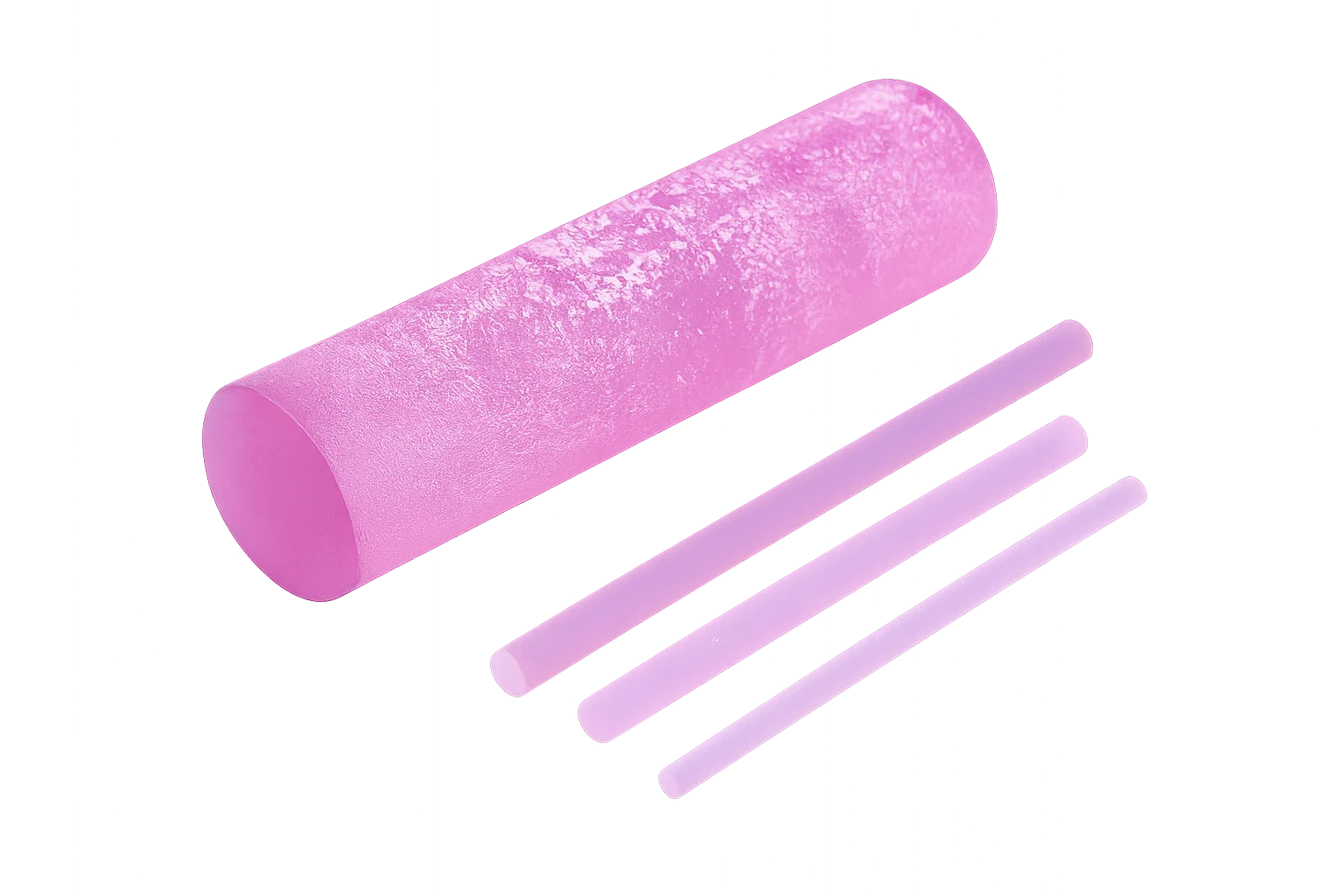
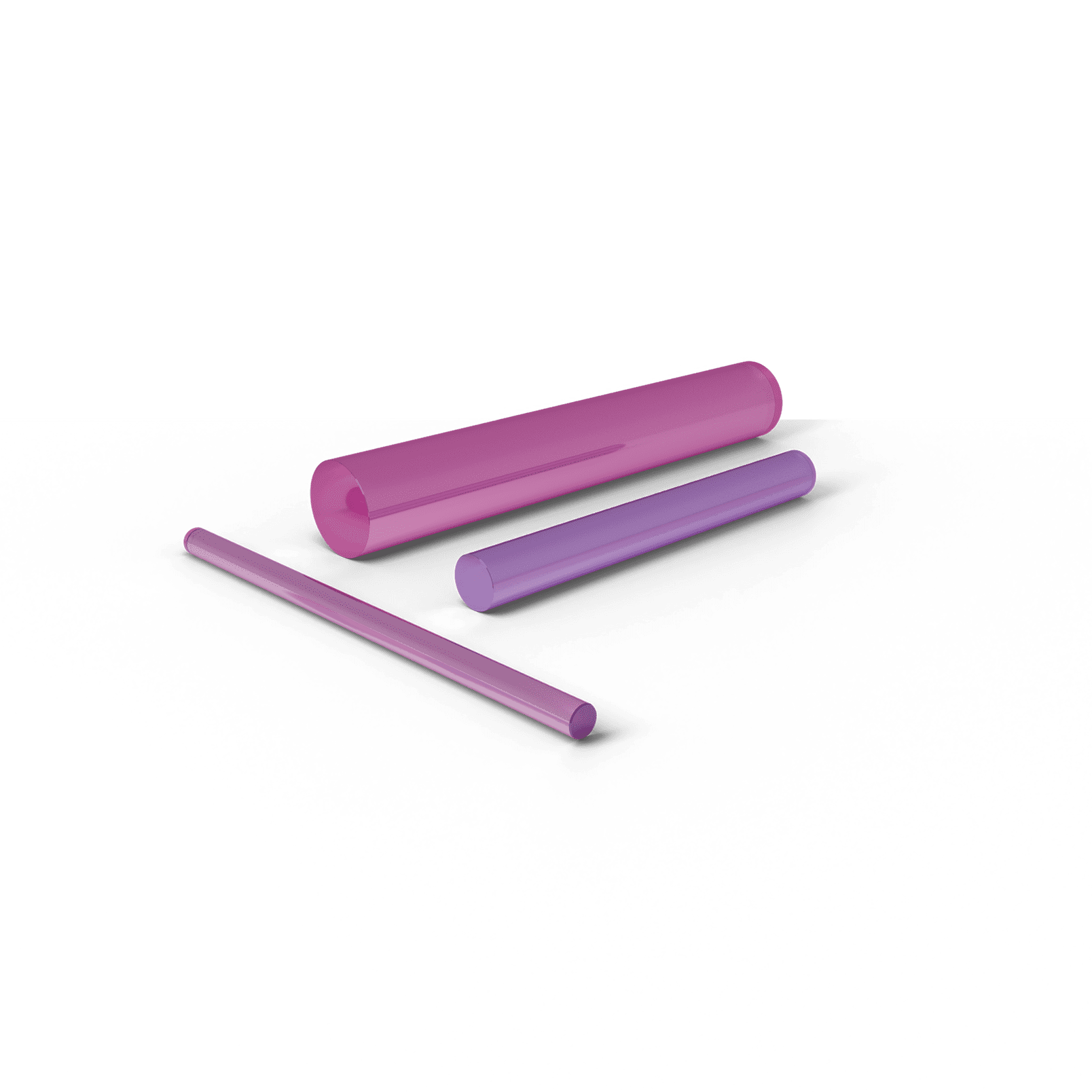
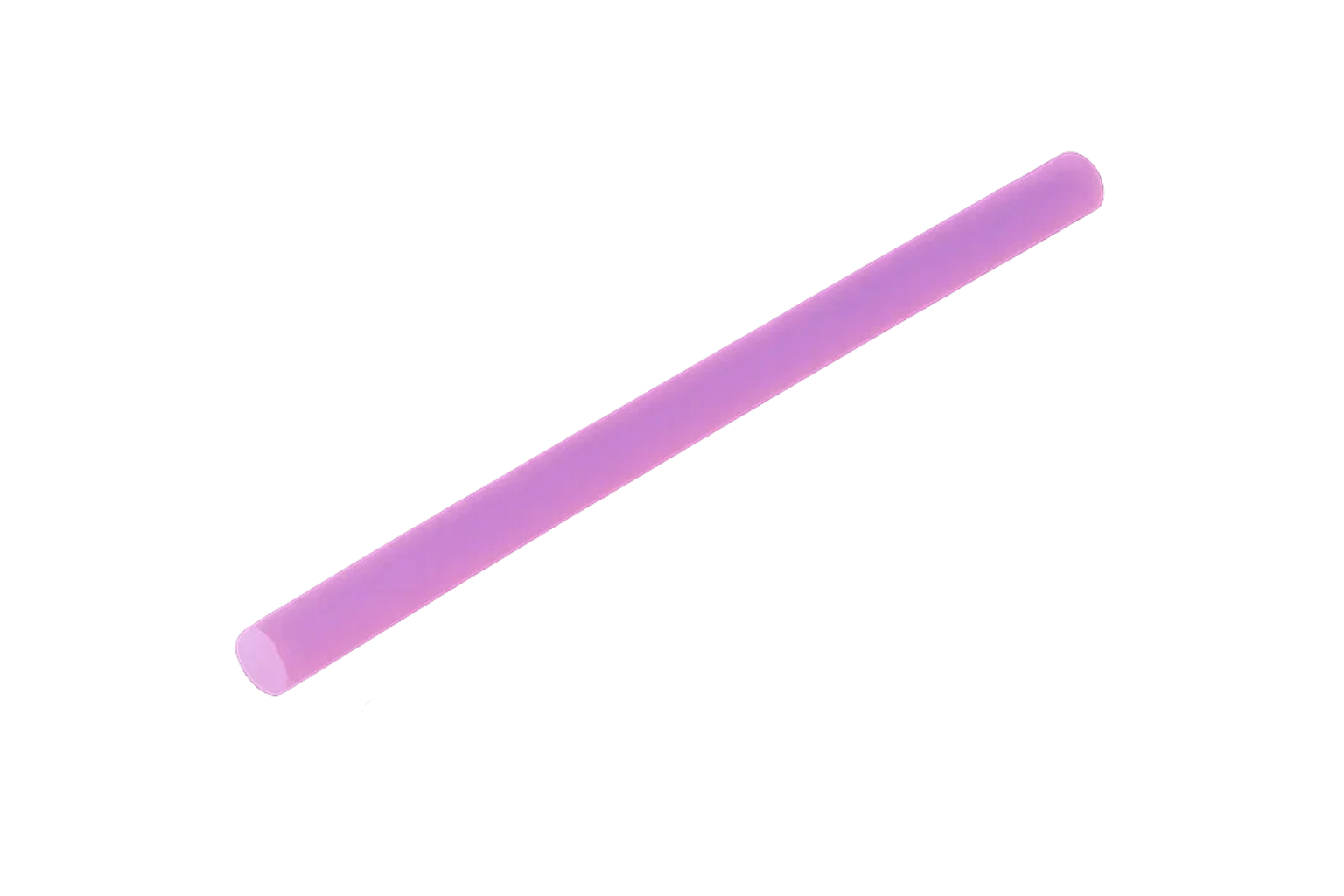
Replacement Components for Professional Systems
Replacement Laser Rods for Professional Laser Systems
Replacement laser rods for compatible professional systems, sourced against the technical details of your machine rather than a loose visual match.
A laser rod sits at the centre of many solid-state laser assemblies. Material, length, diameter, end finish and optical coatings can all affect compatibility, so we review the available specification before providing a quotation.
Submit machine detailsModel, part reference or measurements
We assess compatibilityThe rod specification is reviewed
Receive your quotationAvailability, price and delivery confirmed
Step 1 of 3
Component Matching
What We Review Before Quoting a Laser Rod
A reliable match depends on more than the colour or shape of the existing rod. Several details need to line up with the original laser assembly.
Rod Material
The active medium must suit the laser system. Examples include Nd:YAG, Alexandrite and other solid-state materials.
Physical Dimensions
Length and diameter must align with the cavity, mounts, seals and surrounding components.
Operating Wavelength
The intended wavelength and machine configuration help establish the required optical properties.
End-Face Finish
Polishing, coatings and end geometry should be checked rather than assumed from a photograph.
Cooling Arrangement
The rod must work within the existing cooling chamber and mechanical layout of the system.
Assembly Compatibility
Rods operate alongside lamps, reflectors, seals and power components, so the wider assembly may also need inspection.
Part of a Wider Laser Assembly
The Rod May Not Be the Only Component Affecting Output
Reduced energy, unstable firing or inconsistent treatment performance can be linked to several parts of the optical and electrical assembly. A damaged or ageing rod is one possibility, although lamps, reflectors, cooling, alignment and power delivery can produce similar symptoms.
Where the cause is uncertain, our laser repairs and servicing team can assess the machine before parts are ordered. We can also review enquiries for compatible replacement flash lamps where the pumping source needs attention.
Submit your machine detailsNote warning messages, output changes, firing behaviour and recent repair work.
Use the manufacturer label, model number and serial reference.
Record rod length and diameter in millimetres using appropriate measuring equipment.
Compatibility and fitting should be confirmed by a suitably experienced technician.
Related Equipment and Support
Components Should Be Considered in Context
The correct approach depends on the machine, its current condition and whether the enquiry concerns routine replacement or an unresolved fault.
Recommended Reading
Useful Guidance for Machine Owners and Clinics
Explore practical guidance on choosing professional equipment, understanding approval terminology and keeping a machine properly maintained.
Why Regular Machine Servicing Matters
Learn how planned servicing supports reliable operation and helps clinics respond to wear, faults and changes in machine performance.
Read the servicing guideFDA Approval and Medical CE Certification Explained
Understand what common approval and certification terms mean when assessing professional laser equipment for a UK clinic or salon.
Read the approval guideChoosing a Hair Removal Laser Machine for Your Clinic
Compare the practical considerations that matter when selecting professional equipment, including features, support and clinic requirements.
Read the machine guideLaser Rod FAQs
Questions About Compatibility and Replacement
The answers below provide a starting point. Final suitability still depends on the technical specification of the machine and rod.
A laser rod is the solid gain medium used inside certain laser systems. Energy from a pumping source, often a flash lamp, excites the material in the rod. The surrounding optical cavity then supports the production of laser energy.
Rod material and construction vary between machine types. A visual resemblance does not confirm that two rods are interchangeable.
We can review enquiries for compatible Nd:YAG rods used in professional tattoo removal systems. The machine manufacturer, model, rod dimensions and existing part information will be needed before suitability can be assessed.
Some systems use a single rod while others use a different cavity arrangement, including dual-rod configurations. The required quantity should therefore be confirmed against the machine rather than assumed.
Usually not. Wavelength is useful, but rods intended for the same nominal wavelength can still differ in material grade, size, doping, coating and mechanical fit.
The full machine model and any original part reference should be supplied alongside the wavelength wherever possible.
The key measurements are normally the full length and outside diameter, recorded accurately in millimetres. A suitable calliper is generally more dependable than a ruler.
The rod is an optical component and should be handled carefully. Avoid touching polished or coated end faces. Where removal is difficult or the assembly is unfamiliar, use an experienced engineer rather than forcing the component out.
Submit the manufacturer, model and serial number of the machine. Add any photographs, labels, manuals or previous invoices you have available.
We may be able to identify the likely specification from those details or explain what an engineer needs to check before a quotation can be prepared.
It may help where the existing rod is damaged, contaminated or no longer performing correctly. Reduced output can also be caused by ageing flash lamps, alignment problems, cooling issues, reflectors, power components or several faults acting together.
Diagnosis is worthwhile before an expensive component is replaced without clear evidence.
Repair and servicing support may be available depending on the machine, fault and location. Some replacements require optical alignment, inspection of seals and checks across the wider cavity after fitting.
Submit the machine through our repairs page where installation or diagnosis is required rather than component supply alone.
Yes. Engineers, service companies, clinic groups and distributors can submit multiple-quantity or repeat requirements.
Provide the technical specification, expected quantity and likely ordering frequency. Availability and pricing can then be reviewed against the actual requirement.
Laser rods are delicate optical components and require secure protective packaging. The packaging method will depend on the rod dimensions, quantity and delivery route.
Inspect the package and component carefully on arrival. Any visible damage should be reported before the rod is installed or handled further.
Missing part numbers or measurements?
Start With the Machine Details
Tell us the manufacturer, model and symptoms. We can then explain which further information is needed to assess the rod.