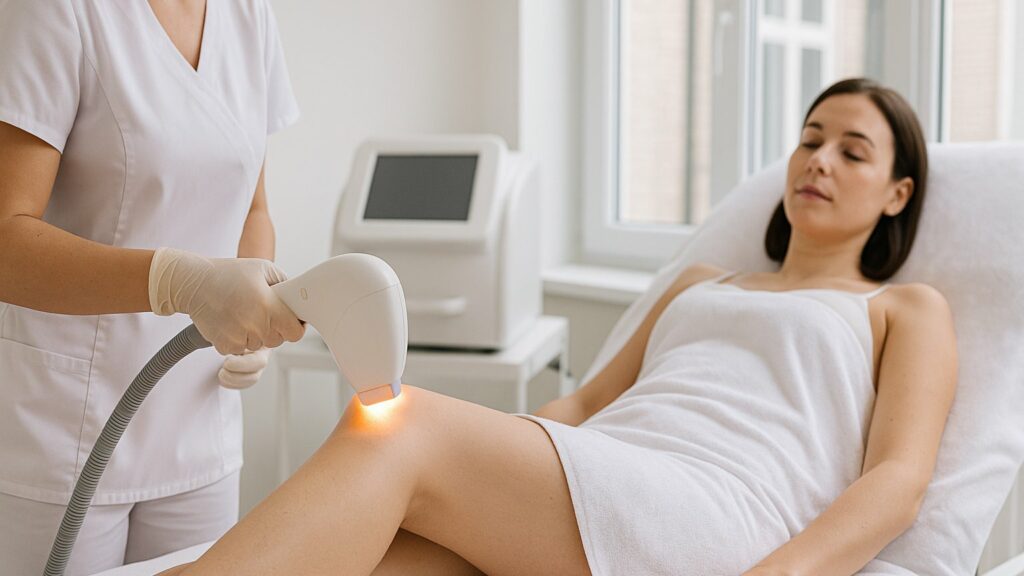

A laser hair removal clinic rarely struggles because nobody wants the treatment. The harder problem is local competition. Prospective clients can compare prices, reviews, treatment rooms and practitioner profiles within minutes, then postpone the decision because several clinics look much the same.
Good clinic marketing reduces that uncertainty. It helps the right person find you, understand whether the treatment suits them, trust your standards and take a small next step, usually a consultation or patch test. The work is less glamorous than chasing viral posts, but far more dependable: a clear local position, useful service pages, visible proof, prompt follow up and careful measurement.
Give people a specific reason to choose your clinic
"Professional laser hair removal" is expected, not distinctive. A useful position is narrower and easier to repeat. You might be known for discreet facial hair treatments, evening appointments for commuters, careful work with darker skin tones, a calm first appointment for anxious clients, or straightforward course pricing with no awkward sales pressure.
Choose a position you can support in practice. If you promote suitability for all skin types, your equipment, training, consultation process and patch testing must support that statement. If convenience is the promise, online booking, opening hours and appointment reminders need to feel convenient too.
A useful one sentence test Complete this without using "high quality", "friendly" or "affordable": "Clients choose us because..." The answer should point to a real strength, not a general compliment that every competitor could use.
Build pages around client decisions, not clinic departments
A single treatment page often tries to cover too much. Someone researching upper lip treatment has different concerns from a client considering full legs or a male client comparing back and shoulder packages. Dedicated pages for important treatment areas give you room to discuss preparation, typical appointment time, course structure, comfort, aftercare and pricing without producing a wall of generic copy.
Each page should answer the practical questions that can stop a booking:
- Who may be suitable? Explain consultation and patch testing, relevant contraindications and why outcomes vary.
- What will it cost? Publish clear session prices, course prices or a meaningful range. The guide to laser hair removal costs for clinics and clients can help you frame pricing information.
- What happens next? Use one prominent action, such as booking a consultation, requesting a call or choosing an appointment time.
- Can the page be trusted? Show the named practitioner, relevant qualifications, real room photography, equipment details and balanced answers about results.
Mobile usability deserves blunt testing. Ask someone who has never used your site to find the price of underarm treatment and book a consultation on an ordinary phone. Watch where they hesitate. That short exercise usually exposes more than another design meeting.
Make your clinic easy to verify on Google
Laser hair removal is usually a local purchase, so your Google Business Profile matters as much as your homepage. Google advises businesses to keep profile information complete, accurate and current because this can improve visibility in local results. 1 Use the same clinic name, address and phone number across your website, profile and reputable directories. Add accurate opening hours, treatment categories, an appointment link and recent photographs that help a first time visitor recognise the entrance.
Local search also depends on the website. Create useful location context rather than repeating the town name unnaturally. Mention parking, public transport, accessibility and the areas you realistically serve. A detailed treatment page plus strong local information is more persuasive than dozens of thin pages targeting neighbouring towns.
Clinics that need structured help with organic visibility can review SEO and AI search visibility for beauty salons. The sensible aim is discoverability for relevant local searches, followed by a page that earns the enquiry.
Show the standards behind the treatment
Prospective clients are not only comparing prices. They are quietly checking whether the clinic feels safe, whether the practitioner understands their skin and whether they will be pressured into a course. Your marketing should answer those concerns before the consultation.
Useful proof includes practitioner introductions, training certificates, insurance information, consultation procedures, patch testing, aftercare guidance and clear explanations of the equipment being used. For operational guidance, link readers to accurate information on qualifications, licences and insurance for laser hair removal rather than making broad claims about compliance.
Reviews are strongest when they are recent, specific and collected steadily. Ask after a client has had enough treatment to comment meaningfully, make the review link easy to open and reply with care. UK guidance now addresses fake reviews and concealed incentives directly, so never buy reviews, write them for clients or hide a reward attached to a review request. 2
Record the ordinary details clients want to see
Social media works best when it reduces unfamiliarity. A polished poster announcing "smooth skin" says very little. A short clip showing the room, protective eyewear, cooling, positioning and the practitioner's explanation gives a nervous client something concrete to assess.
The following video demonstrates the sort of close, practical treatment footage that can support educational social posts. Your own version should use real clinic surroundings, a clear explanation and appropriate client permission.
Plan content around one client question at a time: shaving between sessions, sun exposure, facial hair, comfort, course spacing or what a patch test involves. Avoid posting identifiable client material on the strength of an informal conversation. Where consent is the lawful basis, ICO guidance says the request should be clear, separate, recorded and capable of being withdrawn. 3
Use advertising after the booking journey is ready
Google Ads can reach people actively searching for treatment, while social advertising can introduce the clinic to people who were not searching that day. Neither channel repairs a vague offer, a slow website or unanswered enquiries. Fix those first.
Send every campaign to a relevant landing page rather than the homepage. An advert for men's back treatment should lead to a page about that service, with pricing, suitability, proof and a direct enquiry route. Add call tracking or a dedicated form so you can distinguish paid enquiries from organic ones. Clinics planning paid search can read more about PPC campaigns for beauty businesses.
Set a test budget you can maintain long enough to learn. Then use clinic numbers, not likes, to judge it:
Estimate the commercial picture behind an ad campaign
Change the figures to reflect your clinic. This is a planning illustration, not a revenue forecast.
Gross course revenue before wages, premises, consumables, machine finance, tax, refunds and other costs. Actual performance depends on lead quality, response time, consultation conversion and course completion.
Promote a useful next step, not a permanent discount
Heavy discounts can fill a diary briefly, then train clients to wait for the next offer. Better promotions reduce the risk of starting: a clearly priced consultation, a seasonal course package with an honest saving, or a limited launch offer for a new treatment area. State the terms, end date and normal price clearly.
Response speed matters just as much as the advert. Decide who owns new enquiries, how quickly they should reply and what information they need. A calm message that answers the person's question and offers two consultation times is more useful than a generic "call us" response.
Once somebody begins treatment, rebooking, reminders and progress conversations become marketing too. A client who completes a course is more likely to leave an informed review, return for maintenance and recommend the clinic. Measure course completion as carefully as new enquiries.
A practical monthly scorecard
- Visibility: Local search views, website visits and treatment page traffic.
- Response: Enquiries, response time and consultations booked.
- Conversion: Consultations attended, courses sold and cost per new client.
- Retention: Rebooking rate, course completion, reviews and referrals.
Review the same figures each month. If traffic is healthy but bookings are weak, the problem is probably the page, offer or follow up. If clients start but do not finish, more advertising only makes the leak more expensive.
Keep claims careful, specific and supportable
Laser hair removal advertising falls within ASA and CAP guidance for non surgical cosmetic interventions. Claims should be capable of substantiation, promotions should not trivialise the decision and advertising must not be directed at under 18s. 4 Review the current guidance before launching a campaign, particularly when using treatment claims, client images, testimonials or time limited offers.
Describe what your clinic does and how it works. Avoid promising identical comfort, permanent removal for every client or guaranteed results. Balanced language may appear less dramatic, but it attracts people who understand the commitment and are better prepared for consultation.
Make the clinic easier to find, easier to trust and easier to book.
British Institute of Lasers provides marketing support for beauty and aesthetics businesses across website design, SEO, AI search visibility and paid advertising. Explore the approach and discuss the channels that fit your clinic rather than buying activity you cannot measure.
Sources
- Google Business Profile Help, tips to improve local ranking
- Competition and Markets Authority, guidance for businesses publishing consumer reviews
- Information Commissioner's Office, obtaining, recording and managing consent
- ASA and CAP, guidance on marketing surgical and non surgical cosmetic procedures