
Laser hair removal pricing in the UK usually falls between £50 and £425 per area, per session, with most clients booking a course of 6 to 8 sessions for long term reduction. That gives you a useful starting point, but the final cost depends on the treatment area, the machine, the clinic’s overheads and whether sessions are booked one by one or as a package. Here is a practical breakdown for both clients and clinics, with sensible ranges and a few ways to build value without cutting corners.
Course deals usually bring the per session price down by 10 to 25 percent. Combination bundles such as underarms and bikini often create even better value.
What sets the price
- Area size and time: Smaller zones cost less. An upper lip takes minutes. Full legs or a full back take longer and naturally sit higher.
- Hair density and growth: Coarser, denser hair can need higher energy or more passes, which adds treatment time.
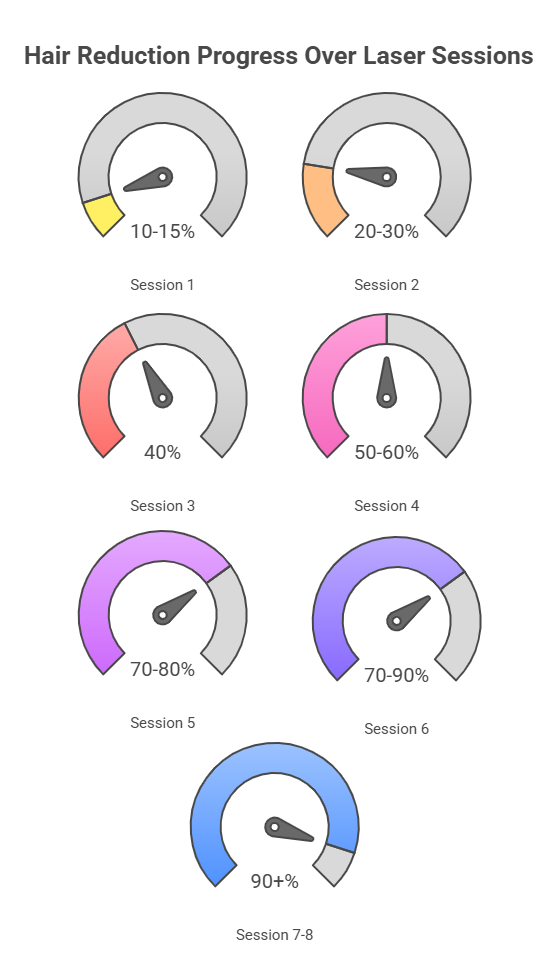
- Sessions required: Most people need 6 to 8 sessions for strong long term reduction, with occasional top ups later. Many clinics discount courses paid upfront.
- Technology used: True laser systems with multiple wavelengths are often quicker and more consistent than IPL, which can improve results and reduce chair time.
- Location and demand: Central London prices usually run higher than suburban or rural clinics.
Typical UK prices by area
Guide ranges for single sessions and common course pricing. Clinics vary. Use this as a rough sense check when reviewing quotes.| Area | Single Session | Course Example | Sessions |
|---|---|---|---|
| Upper lip | £50 to £80 | £250 to £360 | 6 |
| Chin | £60 to £90 | £300 to £420 | 6 |
| Face full | £140 to £180 | £700 to £900 | 6 |
| Underarms | £90 to £140 | £450 to £720 | 6 |
| Bikini line | £110 to £150 | £550 to £780 | 6 |
| Brazilian or Hollywood | £170 to £220 | £850 to £1100 | 6 |
| Lower legs | £220 to £280 | £1100 to £1400 | 5 to 6 |
| Full legs | £320 to £430 | £1600 to £2150 | 5 to 6 |
| Back full | £260 to £360 | £1300 to £1800 | 6 |
| Chest and abdomen | £240 to £320 | £1200 to £1600 | 6 |
| Neck front or back | £70 to £120 | £350 to £600 | 6 |
| Hands or feet | £40 to £70 | £200 to £350 | 6 |
01. What is normally included in the fee
- Consultation and patch test: Fitzpatrick typing, medical history and a test shot to help set safe parameters.
- Treatment time: Skilled operator time, pre shave checks, cooling and careful technique in sensitive zones.
- Aftercare and follow up: Written guidance, SPF advice and a point of contact if you need support afterwards.
- Quality equipment: Modern lasers with strong cooling can shorten sessions and make treatment more comfortable.
Why prices differ between clinics
- Laser platform: Three wavelength systems, Alexandrite, Diode and Nd YAG, can treat a broader mix of skin types and often make scheduling easier.
- Experience: Proven operators, clear before and after photos and strong reviews usually justify a higher fee.
- Operating costs: City centre rent, staffing and utilities push prices above those in smaller towns.
- Regulatory focus: Insured, licensed providers spend more on training, governance and safe working practices.
For clinics: pricing power starts with your device
Low running cost, quicker passes and confident safety all shape your price list and margin. The British Institute of Lasers range is built around those fundamentals.- Nu TriLaze Plus: Alexandrite, Diode and Nd YAG in one platform, with a built in skin analyser and HD detection to guide settings. Low cost per shot and FDA approved. See Nu TriLaze Plus.
- Nu eRays Plus: Handpiece controls help speed up workflow, while robust cooling supports comfort and repeat bookings. Details: Nu eRays Plus.
- Nu TriLaze Lite: Compact, efficient and fitted with SuperCool technology, which makes it a strong option for mobile setups or multi room clinics with very low running cost. Explore Nu TriLaze Lite.
02. Simple ROI example
- Assume: underarm price £120 per session, a course of 6 at £600 and an average of 10 new clients per month.
- Monthly revenue: £6,000 from underarms alone, before any add ons such as bikini or lower legs.
- Consumable cost: our systems run at around a penny per one hundred shots, which keeps per session usage very low.
- Upsell rate: even a modest 20 percent conversion to a second area can lift revenue quickly.
How clients can get better value
- Choose the machine and the operator: Ask which wavelengths are available and whether the clinic treats all Fitzpatrick types with confidence.
- Book a course: Six session bundles usually bring the per session cost down and help you stay on schedule.
- Check reviews and photos: Look for consistent results on your skin type and treatment area.
- Ask about cooling: Better cooling can make higher settings easier to tolerate, which may reduce the number of sessions needed.
- Avoid cheap outliers: Very low prices can point to older technology or limited training. That often means more sessions and less convincing results.