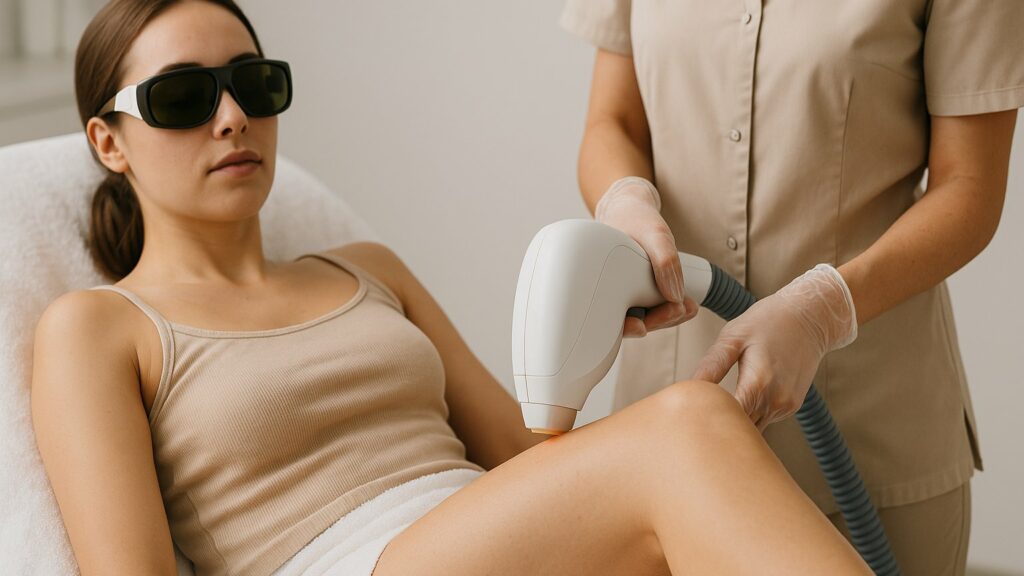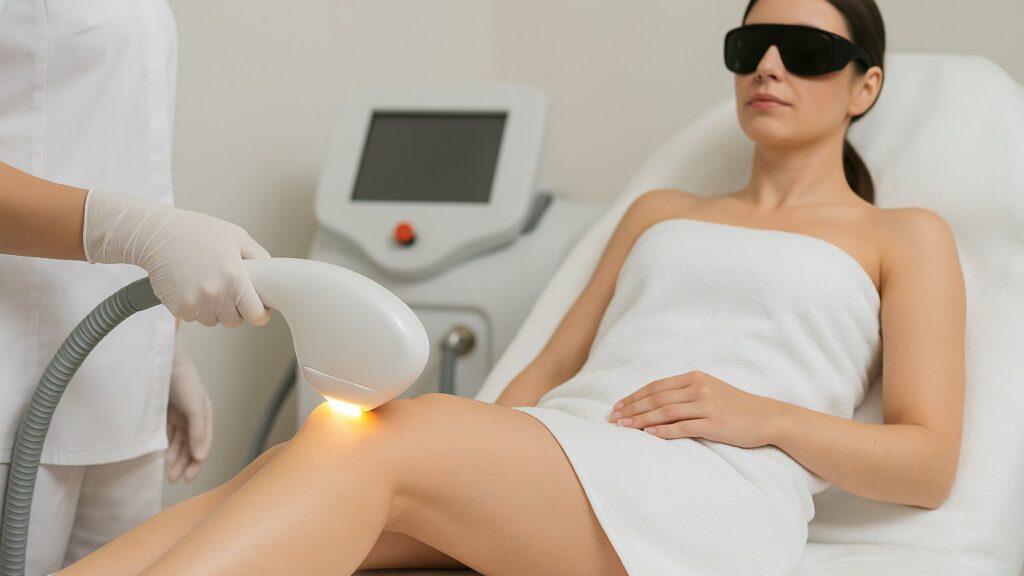

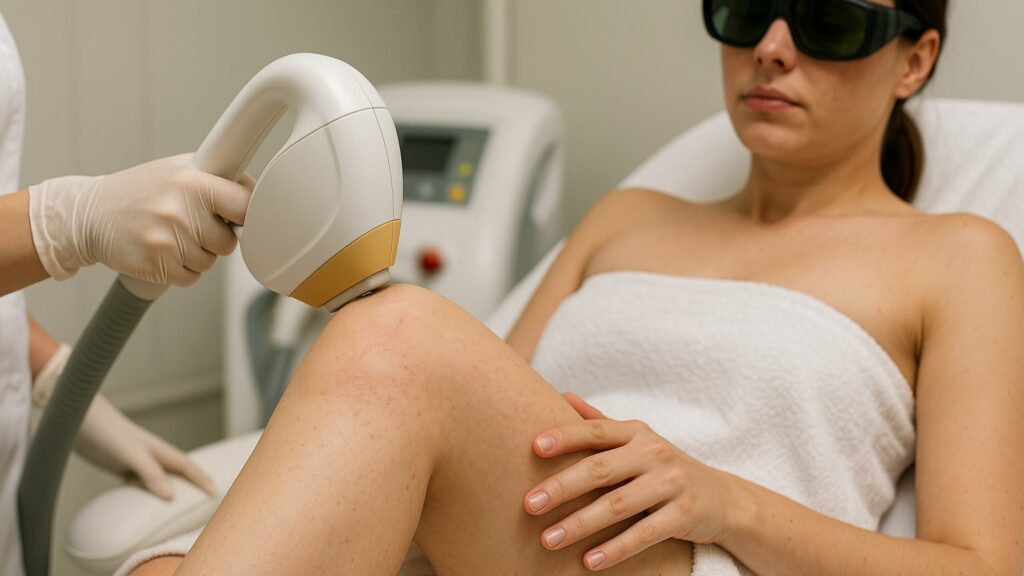
IPL hair removal uses intense pulsed light to heat the follicle so regrowth is slower and often finer. It is common in clinics and in at home devices. Most side effects are mild and short lived, but they still call for proper screening, clear consent and sensible aftercare.
What side effects are normal
01. The common, short term reactions
- Warmth and redness: A mild flush and extra warmth in the skin, usually settling within hours or over the next day or two.
- Perifollicular bumps: Tiny raised bumps around the follicles, a common sign that the light has reached the target.
- Itch or tingling: A light prickly feeling as the skin cools and calms.
- Dryness: Slight roughness, often more noticeable on shins and forearms, eased with a bland moisturiser.
- Shedding: Treated hairs loosen and fall over the next week or two, which can look like pepper dots before they clear.
These are the effects most people notice first. Redness and swelling straight after treatment are well recognised after light based hair removal, as noted by the American Academy of Dermatology.
| Side effect | How it feels | Typical duration | What helps |
|---|---|---|---|
| Redness | Warm, pink skin | Several hours to two days | Cool packs, fragrance free moisturiser |
| Follicle bumps | Raised dots, mild tenderness | One to two days | Gentle cooling, avoid tight clothing |
| Itch | Prickle or tickle | Hours | Emollients, avoid scratching |
| Dryness | Rough texture | Several days | Simple moisturiser, no acids or scrubs |
| Shedding | Stubbly hairs loosening | One to two weeks | Do not wax, you may gently exfoliate after forty eight hours |
Less common risks and how to avoid them
02. When settings or timing are off
- Burns: Usually linked to excess energy, weak cooling, or treating skin that is recently tanned.
- Pigment change: Temporary darkening or lightening, with higher risk where skin tone, recent sun exposure or settings have not been assessed properly.
- Blister or crust: Uncommon, usually related to too much heat in one pass. Keep the area clean and leave it alone.
- Eye injury: Proper eye protection is essential every time. For clinic teams, certified safety goggles are a must.
Good practice cuts the risk sharply. Patch tests, careful skin assessment and sensible spacing between sessions matter. England is moving towards a licensing scheme for non surgical cosmetic procedures that includes laser and IPL, with the latest position set out on the GOV.UK consultation response page. Clinics also rely on clear local rules and a named LPA for governance, which we support through our Laser Protection Advisor service.
Who should pause or seek advice
03. Pre treatment checklist
- Active tan or sunburn: Delay treatment until the skin has fully settled. Extra pigment raises the risk of a reaction.
- Photosensitising medicines: Some antibiotics, acne medicines and other prescriptions can make skin more reactive to light. Check first.
- Pregnancy or breastfeeding: Get individual advice before treatment rather than guessing.
- Skin conditions: Eczema, psoriasis, active infections and open wounds should be settled before treatment starts.
- Keloid tendency: Discuss the added scarring risk with a qualified practitioner before booking.
Is IPL as effective as laser
04. A quick comparison
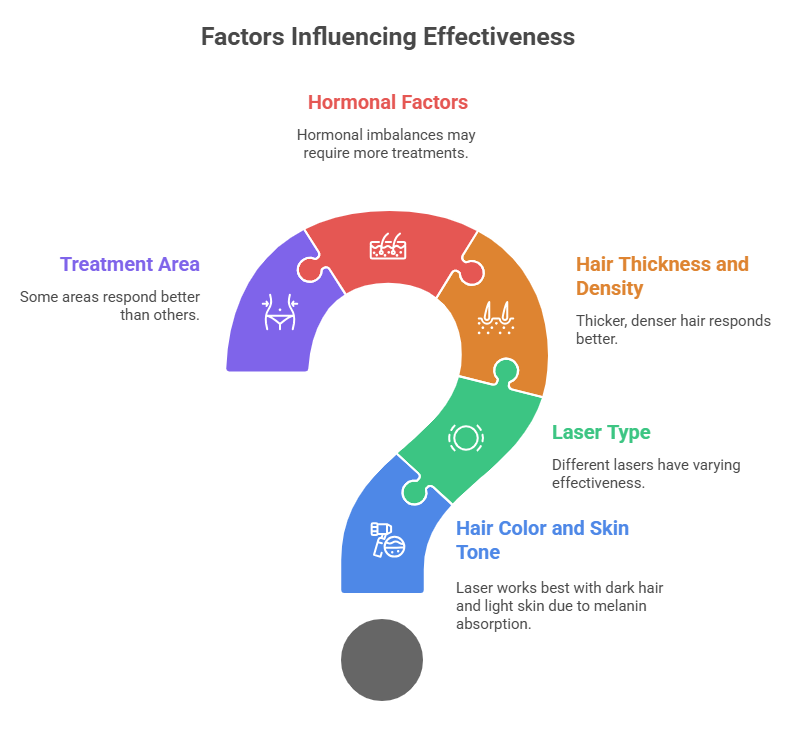
IPL uses a broad band flash of light shaped by filters. Laser uses one focused wavelength aimed at melanin. That tighter targeting usually means more dependable heating in the follicle and less stray energy in the surrounding skin. Treatment courses are often shorter with professional lasers, and results tend to be steadier when the wavelength is matched properly to skin type.
In practice, IPL usually sits below true laser for long term hair reduction. Published reviews suggest stronger average long term reduction from laser systems in many settings, while the Mayo Clinic gives a clear explanation of how focused light targets melanin in the follicle.
Aftercare that keeps skin calm
05. Simple, protective steps
- Cool the area: Short, gentle cool packs help bring down warmth in the first few hours.
- Moisturise: Use a fragrance free emollient for two to three days. Leave acids and retinoids alone for a bit.
- Shade and sunscreen: Keep the area out of direct sun and use high protection daily.
- No plucking or waxing: Shaving only between sessions, so the follicle is still there for the next treatment.
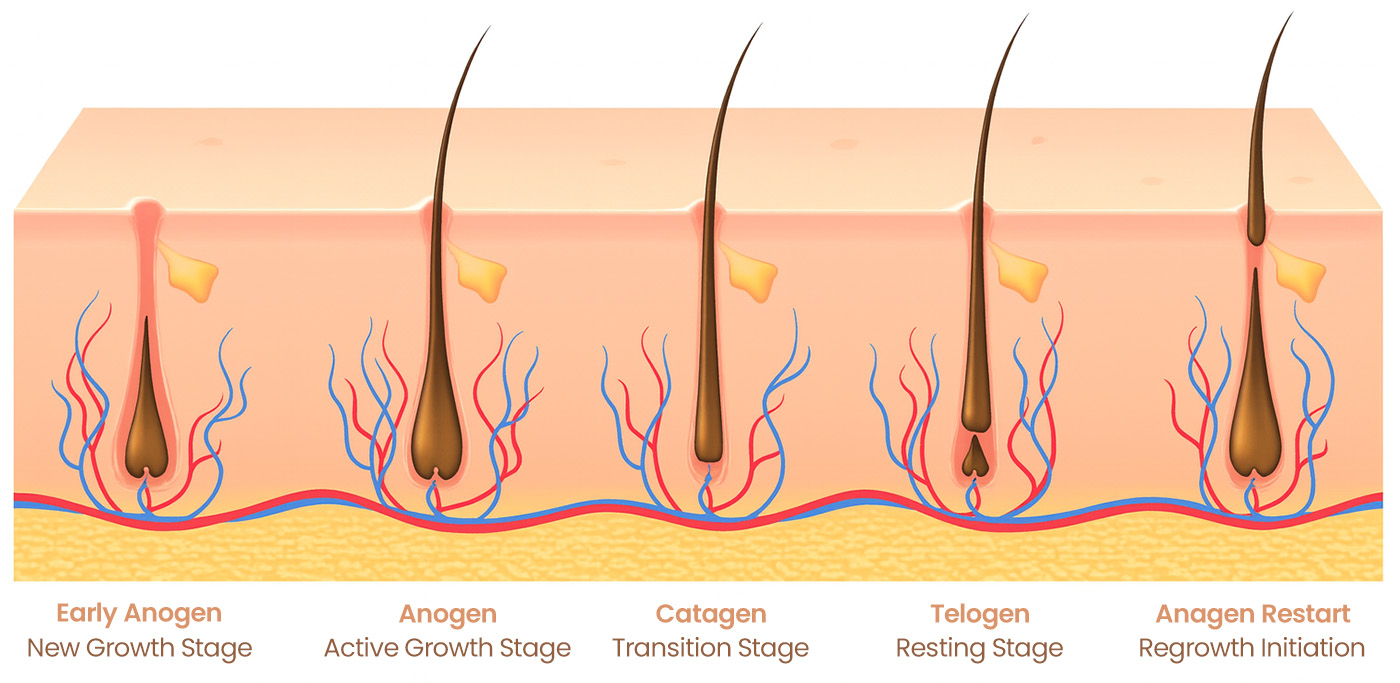
- Space sessions: Usually four to six weeks apart, so you catch fresh anagen growth.
Considering professional laser instead
We feature laser hair removal systems designed for all skin tones, with fast treatment times, strong comfort features and very low running costs, with free training and certification included. Explore our range of laser hair removal machines or view individual systems: Nu TriLaze Plus, Nu eRays Plus, and Nu TriLaze Lite. For a hands on evaluation, Book a Demo. For pricing, finance and lead times, head to Request Details.