

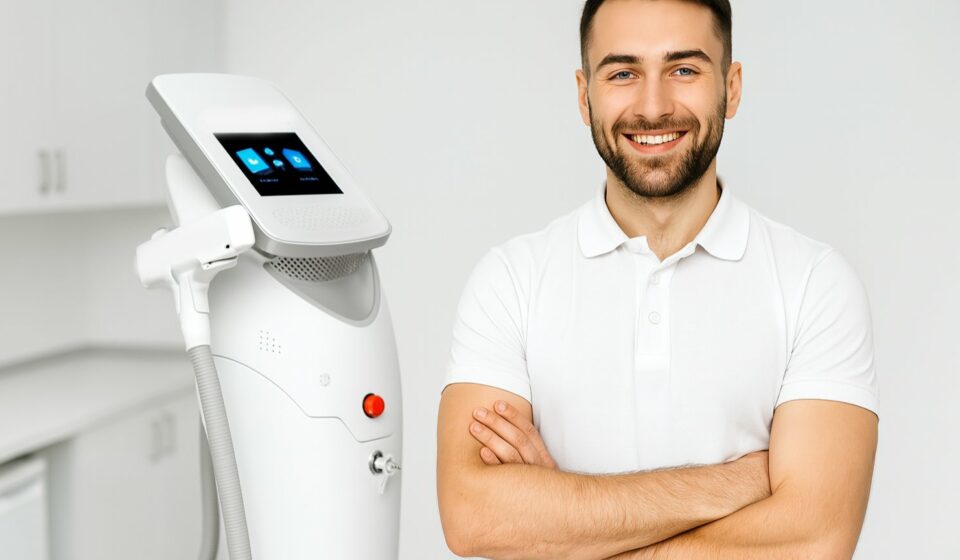
Understanding the Role of a Laser Tattoo Removal Technician
Laser tattoo removal is now a fast-growing part of the UK aesthetics sector, with demand rising among younger clients and older adults alike. According to the Bianco Beauty website, the UK tattoo removal market was valued at $14.1 million in 2023 and is projected to reach $90.1 million by 2033. Growth on that scale is creating genuine demand for skilled, certified technicians who can carry out treatments safely and deliver consistent results with advanced laser systems.
Table Of Content
- Understanding the Role of a Laser Tattoo Removal Technician
- 01. Meet the Essential Entry Requirements
- 02. Choose the Right Laser Tattoo Removal Machine
- Selecting Professional-Grade Equipment
- 03. Complete Accredited Training and Certification
- The Importance of Proper Training
- 04. Set Up Your Clinic for Success
- Premises, Safety, and Compliance
- 05. Build Your Career and Grow Your Client Base
- Marketing and Business Development
- 06. Stay Current: Ongoing Training and Support
- Continued Professional Development
- Why Choose the British Institute of Lasers?
- Frequently Asked Questions
- Further Reading and Resources
As a laser tattoo removal technician, you will work with specialist equipment, most commonly Q-switched Nd:YAG lasers, to break down unwanted ink over a series of treatments. The role requires technical ability, solid safety knowledge and the confidence to guide clients through a process that can take time. If you are seriously considering this career path, the guide below sets out what you need to know.
01. Meet the Essential Entry Requirements
Before you can begin treating clients with a laser tattoo removal device, you need to meet several legal and professional requirements. The UK government is introducing a mandatory licensing scheme for non-surgical cosmetic procedures, including tattoo removal. According to the GOV.UK website, you will need:
- Recognised Qualifications: Most councils expect a Level 4 or Level 5 qualification in laser tattoo removal, or an equivalent such as VTCT or ITEC certification.
- Manufacturer Training: You must complete certified training for any device you plan to use in practice.
- Insurance: Indemnity insurance is essential, both for your protection and for your clients.
- Premises Licence: Your clinic must meet local authority standards covering hygiene, health and safety.
Miss one of these steps and you could face penalties, while your insurance may also be affected.
02. Choose the Right Laser Tattoo Removal Machine
Selecting Professional-Grade Equipment
The machine you choose will influence treatment quality, client safety and your long-term return on investment. The British Institute of Lasers offers the Nu Tatouage Plus, a professional Q-switched Nd:YAG laser built for both new practitioners and established clinics.
| Feature | Nu Tatouage Plus |
|---|---|
| Laser Type | Q-switched Nd:YAG (1064 nm & 532 nm) |
| Pulse Energy | Up to 1500 mJ |
| Treatment Areas | Black, coloured and stubborn inks, plus pigmentation and redness |
| Cost Efficiency | Less than 1p per 40 shots |
| Durability | Millions of guaranteed shots |
| Support | 24-hour swap guarantee, lifetime support and free training |
For a closer look at this machine in action, see the animation below:
Working with a reputable supplier gives you more than access to newer technology. It also gives you training, technical support and a fast replacement option if something goes wrong.
To arrange a demonstration, visit our Book a Demo page.
03. Complete Accredited Training and Certification
The Importance of Proper Training
Training matters, both for safety and for staying compliant. With every machine from the British Institute of Lasers, clients receive free access to detailed training, either online or face to face at our Coventry headquarters.
- Core of Knowledge: Learn the science behind lasers, how light interacts with tissue and the safety procedures expected in practice.
- Skin Typing and Assessment: Understand how to assess different skin types safely and reduce the risk of pigment changes.
- Machine Operation: Get hands-on guidance on setup, settings, cleaning and day-to-day maintenance.
- Treatment Techniques: Cover patch testing, consultations, treatment planning and aftercare.
Once training is complete, you will receive a Certificate of Training, which is usually needed for insurance and council licensing. For more on the qualifications and insurance required for tattoo removal, see our dedicated guide.
04. Set Up Your Clinic for Success
Premises, Safety, and Compliance
Whether you plan to work from a clinic, a salon or on a mobile basis, your setup needs to meet clear safety and regulatory standards. That protects clients and also shapes how seriously your business is taken.
- Laser Protection Advisor (LPA): Appointing an LPA helps you meet Health and Safety Executive guidance. An LPA can provide risk assessments, written policies and practical advice on safe operation. Learn about our Laser Protection Advisor services.
- Health & Safety: Review fire safety, ventilation, infection control and waste disposal procedures regularly.
- Insurance & Documentation: Keep certificates, consent forms and insurance documents current and easy to access.
05. Build Your Career and Grow Your Client Base
Marketing and Business Development
Demand is growing, though a busy market still calls for smart positioning. According to The Harley Street Journal, around 1 in 9 people in the UK have sought tattoo removal and 89% of clinics report increased demand.
- Promote Your Qualifications: Show your certificates and compliance clearly, both in clinic and on your website.
- Expand Your Service Menu: The Nu Tatouage Plus can also treat pigmentation and skin texture, which can help broaden your client base.
- Client Education: Be clear about the process, realistic outcomes and aftercare. For more, see how long tattoo removal takes and what makes it effective.
- Network and Partnerships: Build referral relationships with local tattoo studios and beauty clinics where it makes sense.
If you want to look more closely at the financial side of buying a machine, visit our Request Details & Finance Information page.
06. Stay Current: Ongoing Training and Support
Continued Professional Development
Laser technology keeps moving. Safety standards change, devices improve and client expectations do not stand still. The British Institute of Lasers provides lifetime access to training, updates and technical support with every machine, helping you stay current and keep standards high.
For insights into newer technology, see our article on new laser advancements. For a comparison of all-in-one machines, visit this guide.
Why Choose the British Institute of Lasers?
The British Institute of Lasers supports both new practitioners and established clinics across the UK. Here is why:
- Free Training and Certification: Every purchase includes practical instruction and certification, which is often needed for insurance and compliance.
- Lifetime Support: Ongoing access to technical help, updates and servicing gives clinics extra reassurance.
- Rapid Replacement Guarantee: Our 24-hour swap guarantee helps reduce costly downtime.
- Accessible Demos: You can book an in-person or virtual demonstration through our Book a Demo page.
Frequently Asked Questions
- How long does it take to become certified? Most accredited courses, including those offered by the British Institute of Lasers, can be completed in one to two days alongside practical machine training.
- What is the average salary? Earnings vary, though established technicians in busy cities often earn between £25,000 and £50,000 a year, with some earning more in high-demand clinics.
- Is tattoo removal safe? With modern Q-switched lasers and proper training, the risk of scarring is low, according to the NHS Bristol Laser Centre, though pigment changes can still occur in some cases.
Further Reading and Resources
- Qualifications, Licenses & Insurance For Tattoo Removal
- How Effective is Tattoo Removal?
- How Long After Laser Tattoo Removal Will a Tattoo Fade?
- How Does Laser Tattoo Removal Work?
- How Are Tattoos Removed and How does Laser Tattoo Removal work?
For any further questions, or if you want to discuss your plans as a future laser tattoo removal technician, please contact our team for guidance. A strong, reputable career in laser tattoo removal starts with sound training, dependable equipment and the right support behind you.

Dr Majid Zarandouz
Majid holds a PhD in organic chemistry and has been working with laser systems for decades. His career began in the mid-1990s, when he started researching and developing laser-based technologies for medical and cosmetic applications. Over the years, he has combined scientific expertise with practical engineering to design machines that are effective, durable, and straightforward to use in real clinic settings. As director of the British Institute of Lasers, Majid continues to focus on producing equipment that meets professional standards while remaining accessible to businesses of all sizes.