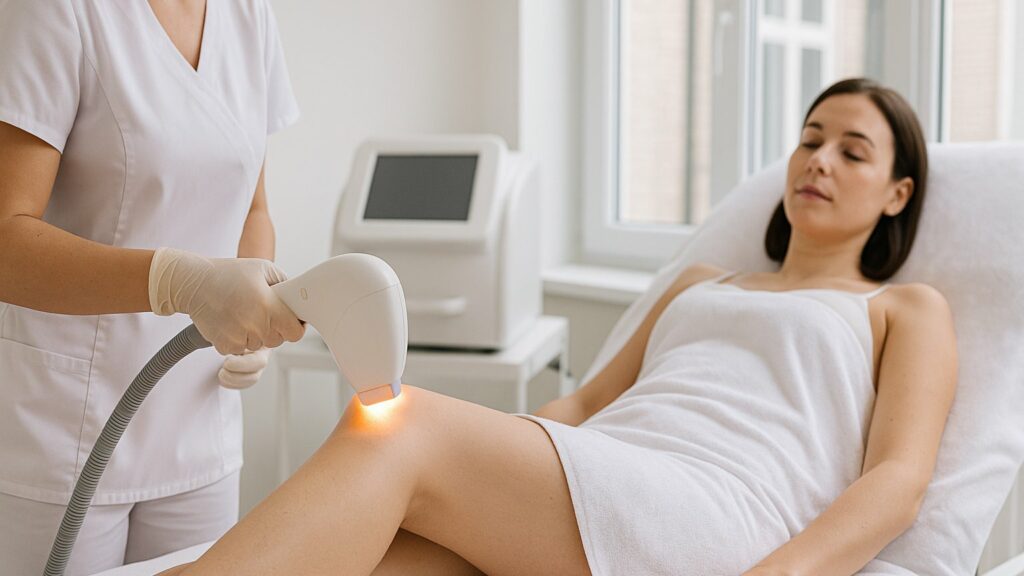

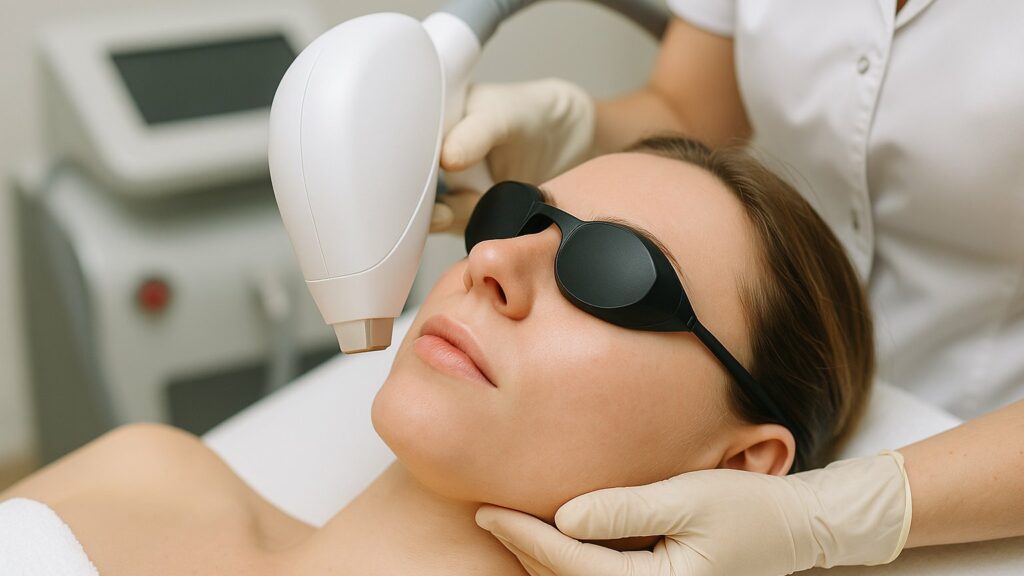
Facial laser hair removal can deliver lasting smoothness when the settings are chosen carefully, the wavelength suits the skin and hair, and the treatment plan is realistic. It is quick, clean and usually much kinder to the skin than constant shaving or threading when carried out by trained professionals.
Want deeper pricing context. Read our guide to laser hair removal costs.
What areas, and who is it best for
- Common facial areas: upper lip, chin, jawline, cheeks, sideburns, the front of the neck and between the brows. Professionals keep a safe distance from the eyes.
- Hair types that respond: medium to coarse, darker hairs tend to respond best. Very light vellus hair can be less responsive.
- Skin tones: all Fitzpatrick types can be treated with the correct wavelength and cooling. Settings are adjusted for deeper skin tones to protect comfort and skin integrity.
- Hormonal patterns: PCOS or perimenopausal hair growth can mean more sessions and occasional maintenance. A clear treatment plan helps avoid disappointment.
01. How it works on facial hair
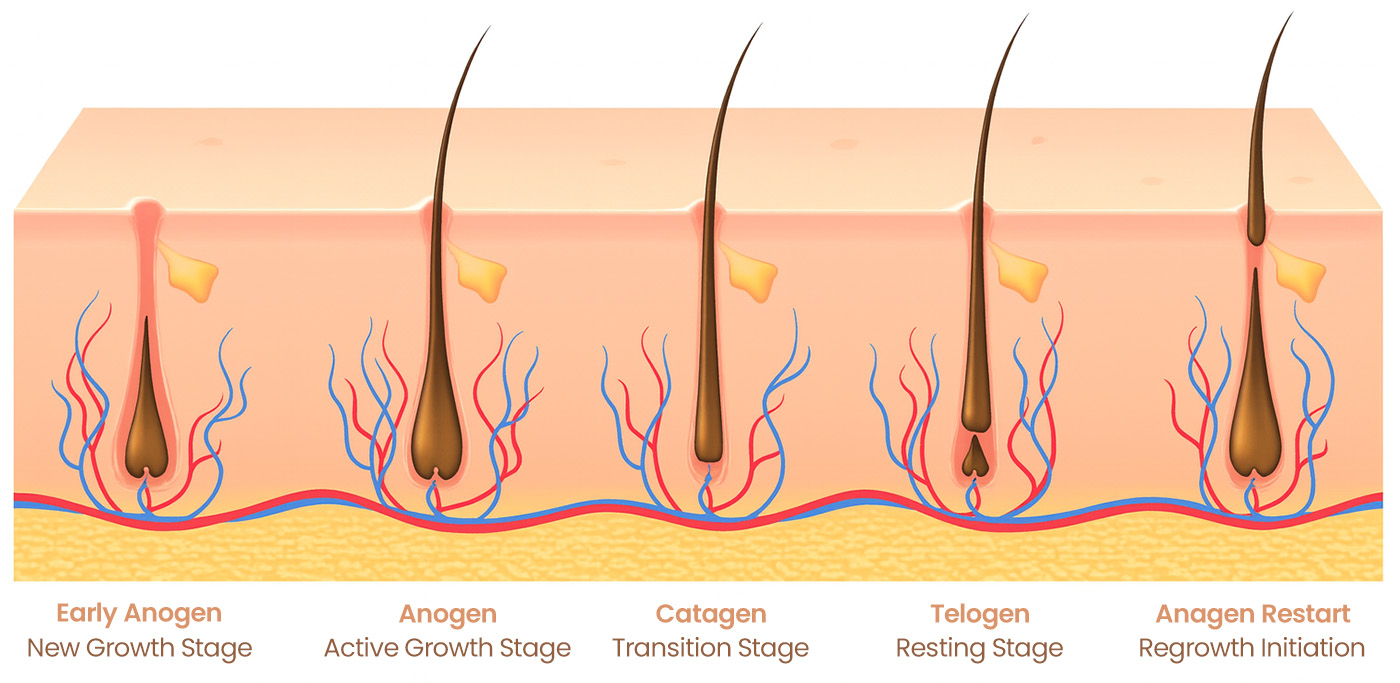
Laser light targets the melanin in the hair shaft, turns into heat and disrupts the follicle cells responsible for regrowth. The principle is selective photothermolysis, a precise method designed to target pigment while leaving the surrounding skin largely undisturbed. For a plain language overview, see the Mayo Clinic page.Safety first on the face
- Eye protection: goggles for the client and practitioner are essential. No direct passes should be made over the eyelids.
- Patch test: this helps confirm the right fluence and pulse width for your skin and hair.
- Skin actives pause: stop retinoids, strong acids and exfoliants for three days before and after treatment.
- Cold sore history: antiviral cover may be advised for treatment around the lips.
- UK rules incoming: licensing for non surgical cosmetic procedures is being introduced, as outlined on GOV.UK. Need practical safety support. Our Laser Protection Advisor service can help.
02. Pre care and aftercare checklist
- Two weeks before: avoid sun and sunbeds, and let any fake tan fade fully.
- Twenty four hours before: shave the area carefully. Do not wax or thread during the course.
- On the day: arrive with clean, dry skin and no make up or fragrance on the area.
- After treatment: use cool packs if needed, stick to a gentle cleanser, wear SPF 50 daily for at least a week and avoid saunas or hard workouts for forty eight hours.
- Make up: wait twenty four hours before applying it, and use clean brushes.
How many sessions, and what to expect
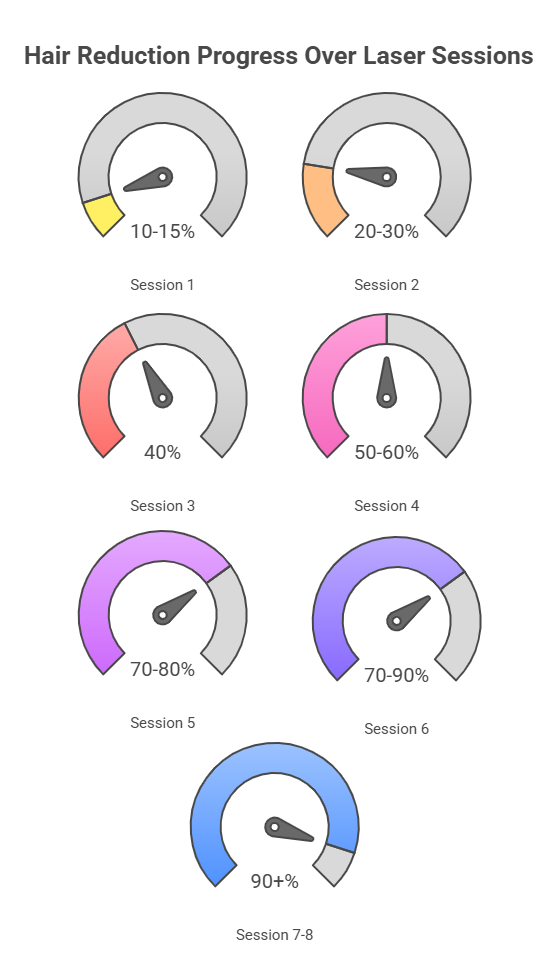
Most clients need six to eight sessions for long term reduction. Facial hair often follows a quick growth cycle, so spacing is usually four to six weeks. Expect some short lived pinkness or slight swelling straight after treatment, which usually settles quickly. Mild effects such as redness or itch can clear within a couple of days, as noted on Wikipedia.Prices at a glance
Guide ranges from UK clinics. Course packages often lower the price per session.| Area | Single session | Typical course | Sessions |
|---|---|---|---|
| Upper lip | £50 to £80 | £250 to £360 | 6 |
| Chin | £60 to £90 | £300 to £420 | 6 |
| Sideburns | £80 to £120 | £400 to £600 | 6 |
| Full face | £140 to £180 | £700 to £900 | 6 |
Choosing the right technology
Three wavelength platforms give clinics more control across different skin tones and hair types. Our systems combine Alexandrite, Diode and Nd YAG in one unit so settings can be matched more closely to each face and hair pattern.- Nu TriLaze Plus: built in skin analysis, strong cooling and handpiece controls. See Nu TriLaze Plus.
- Nu eRays Plus: a fast treatment flow with on handpiece adjustment and dependable comfort. Explore Nu eRays Plus.
- Nu TriLaze Lite: compact, flexible and very low on running costs. Ideal for multi room clinics. View Nu TriLaze Lite.
03. Sensitive and darker skin tones
- Wavelength choice: Nd YAG at 1064 nanometres is often preferred for types IV to VI because it reaches deeper with lower melanin absorption.
- Parameter tweaks: longer pulse widths, measured fluence and strong cooling can improve comfort and reduce risk.
- Further reading: see our piece on laser for Afro Caribbean skin.
Helpful extras
- Comfort tips: read how painful is laser hair removal for simple ways to stay relaxed.
- Results timeline: early changes after three visits are explained in what to expect after three sessions and in is six sessions enough.
- Trained people matter: work with qualified operators who use cooling and conservative starting settings. You can also find wider commentary on demand and training from Rare Consulting, alongside basic safety notes on Wikipedia.