Laser hair removal is quickly becoming one of the UK's most in-demand non-ablative cosmetic treatments. Even so, plenty of confusion still surrounds the basics, from machine types and safety through to realistic results and the right system for…
Laser hair removal is quickly becoming one of the UK’s most in-demand non-ablative cosmetic treatments. Even so, plenty of confusion still surrounds the basics, from machine types and safety through to realistic results and the right system for a clinic. In a growing market predicted to reach £73 million by 2030, there is clear room for practical, trustworthy guidance.
5 Facts You Should Know about Laser Hair Removal
01. Laser Hair Removal Is Permanent Hair Reduction, Not “One-Off” Removal
It’s easy to picture completely smooth skin after a single appointment. Real treatment works differently. Laser hair removal is about long-term reduction, not instant or total removal.
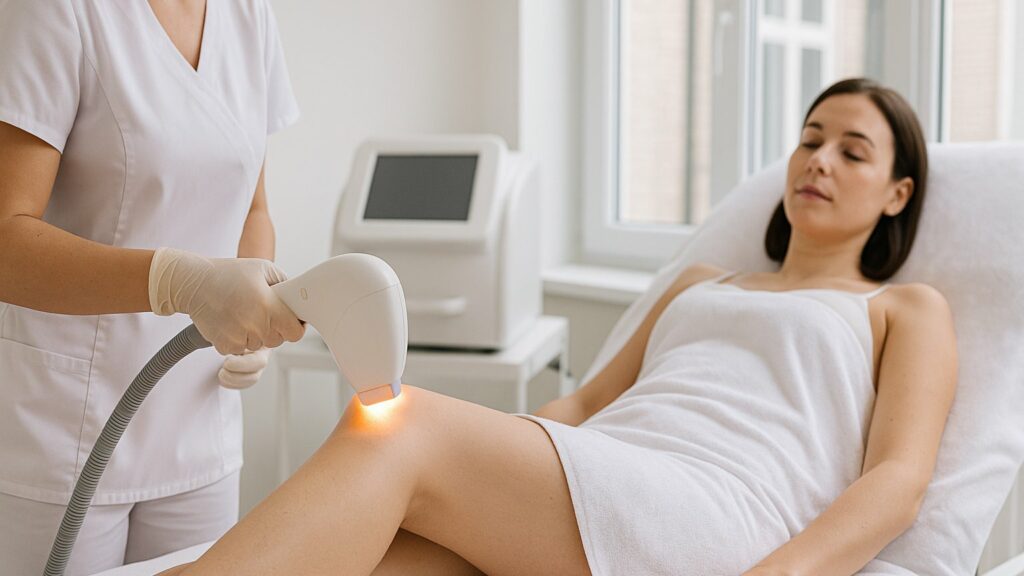
How it works: Targeted laser energy damages active hair follicles, reducing their ability to keep producing new hair.
Treatment plan: Most clients need a course of 8 to 12 sessions, usually spaced around 4 to 6 weeks apart, so different hairs can be treated as they move through their growth cycles, especially when hair is coarse, deep rooted or hormonally persistent.
Long-lasting effects: Hair usually grows back more slowly and in lower volume, leaving skin smoother and reducing the need for constant shaving. Occasional touch ups every 12 to 18 months help maintain the result.
Some regrowth is completely normal, and complete lifelong hair loss from any device, including medical lasers, is neither realistic nor a safe promise to make. Honest expectations matter for clinics and clients alike. If you’d like more detail, our guide on how long laser hair removal lasts is a useful next read.
02. Safety, Standards, and Training Are Everything
Any treatment using Class 4 lasers comes with clear responsibilities for the clinic and the practitioner. The UK government is introducing a mandatory licensing scheme for non-surgical cosmetic procedures, which means clinics and practitioners will need to:
Hold appropriate qualifications: Accredited training, such as ITEC Level 3 and 4, alongside manufacturer certification for the machine being used, including training offered by the British Institute of Lasers.
Secure the right licences: Practitioner and premises requirements set by local authorities, with further detail available at GOV.UK.
Maintain insurance: Suitable indemnity cover for complications, complaints and adverse outcomes.
Follow recognised safety practice: Working with an experienced Laser Protection Advisor and Laser Protection Supervisor, which many councils expect as part of commercial approval.
Receive full training: Proper instruction in machine use, laser basics, maintenance, safety and legal responsibilities, all of which are included free through the British Institute of Lasers with hair removal device purchases.
These standards are not optional extras. Under the proposed system, carrying out aesthetic laser treatments without the correct registration or insurance may become a criminal offence, according to official government guidance. Strong training and reliable support help clinics stay compliant while protecting income, reputation and client safety.
Not sure whether your current qualifications cover everything? This qualifications checklist sets it out clearly.
03. Technology Advances Have Improved Safety and Results Across More Skin Tones
Popular Laser Types & Their Strengths
Type
Best For
Details
Diode
Most skin tones (I to VI)
Widely used and highly dependable for coarse, dense hair.
Alexandrite (755nm)
Pale to lighter cool-toned skin (I to III)
Fast and precise, though not suitable for some darker skin types.
Nd:YAG (1064nm)
Medium brown to deep skin tones (IV to VI)
Penetrates more deeply and is more melanin-sparing, which helps improve safety on dark or tanned skin.
Modern systems have made professional treatment safer and more effective than ever across a much broader range of skin phototypes. Leading devices, including the Nu TriLaze Plus, Nu TriLaze Lite and Nu eRays Plus, combine these clinical standards with advanced cooling for comfort and AI skin detection for more tailored treatment.
For clinic owners: These machines make it easier to treat a wider client base, thanks to triple wavelength flexibility.
Market statistics show: Diode lasers alone account for almost 40% of UK sales, according to current market data.
Advanced built-in features: Strong integrated cooling and access to Alexandrite, Diode and Nd:YAG wavelengths help protect the skin and reduce the chance of pigment issues.
If you’re comparing systems for your clinic, our specialist guidance on laser types for UK clinics and machine comparisons gives a clearer view across settings, budgets and treatment goals.
04. Demand, Client Base, and Profitability Are Rising in 2025
Strong popularity: Laser hair removal now attracts more consumer interest than injectables, including Botox, making it one of Britain’s most sought-after cosmetic treatments this year.
Who’s buying? Women and men alike, with especially strong growth among male clients aged 18 to 30.
Huge addressable market: Around 5.6 million adults in the UK are considering laser hair removal within the next 12 months, which points to a large pool of potential new clients for clinics and mobile practitioners, according to recent reporting.
Profitable core audience: Many consumers spend £100 to £300 per year, often starting with higher value areas such as legs, bikini and arms.
Rapid ROI for clinics: With strong demand and low running costs on leading devices, clinics can often build return quickly. The Nu TriLaze Lite, for example, averages around 10p for a full face session.
Laser hair removal sits just behind injectables in terms of total professional offerings, but leads clearly in client interest. Guidance on costs, machine ROI and profitability for new clinics becomes especially useful when you are weighing up a purchase.
If you’re still unsure about finance or budgeting, explore our up-to-date details and finance resource for practical clinic support.
05. Understanding Risks & Side Effects: Rare, Usually Mild, But Professional Oversight Matters
Current technology, combined with proper training, has reduced the likelihood of serious side effects to very low levels. Leading providers like British Institute of Lasers offer:
FDA-approved machines: Major devices are medical CE-certified and FDA approved, showing strong engineering standards, traceability and control systems.
Integrated safety features: Timed pulses, optimised skin contact and advanced cooling help reduce the risk of burns or pigment changes, especially on darker skin tones and delicate facial areas.
Typical mild after-effects: Redness, slight swelling, itching or tingling, which usually settle within a few days.
Severe adverse effects are uncommon: Professional UK guidance suggests that burns or longer lasting pigmentation changes are rare when treatment is carried out correctly. You can read more on the Laser Club fact and safety page.
Minimal maintenance requirements and a rapid replacement guarantee, with service available within 72 working hours.
Lifetime training and support, helping your team stay informed, qualified and protected.
If you’d like to see the products first or compare models side by side, you can book an in-person or online viewing using our demo request form.
A Last Word: The British Institute of Lasers Difference
Reliable machines, practical support and genuine authority in one place. With features such as AI-led detection, built-in cooling, extended warranties and a swap-out guarantee, our clinical-grade equipment works well for solo practitioners, busy city clinics and specialists treating a wide range of skin tones.
For further reading, see our popular guides on laser hair removal myths, safety guidance by skin type and training and qualifications for building a career or expanding a clinic in one of the UK’s fastest growing aesthetic markets.
We believe every professional should be able to offer confidence, compliance and comfort as standard. Visit our laser hair removal machines page for a full breakdown of features and to see why we are trusted by clinics across the country.
Majid holds a PhD in organic chemistry and has been working with laser systems for decades. His career began in the mid-1990s, when he started researching and developing laser-based technologies for medical and cosmetic applications. Over the years, he has combined scientific expertise with practical engineering to design machines that are effective, durable, and straightforward to use in real clinic settings. As director of the British Institute of Lasers, Majid continues to focus on producing equipment that meets professional standards while remaining accessible to businesses of all sizes.
Laser Hair RemovalMyths & Trivia
From the Knowledge Hub
Continue planning your laser service.
Explore more guidance on professional equipment, clinic planning, training and practical business decisions.