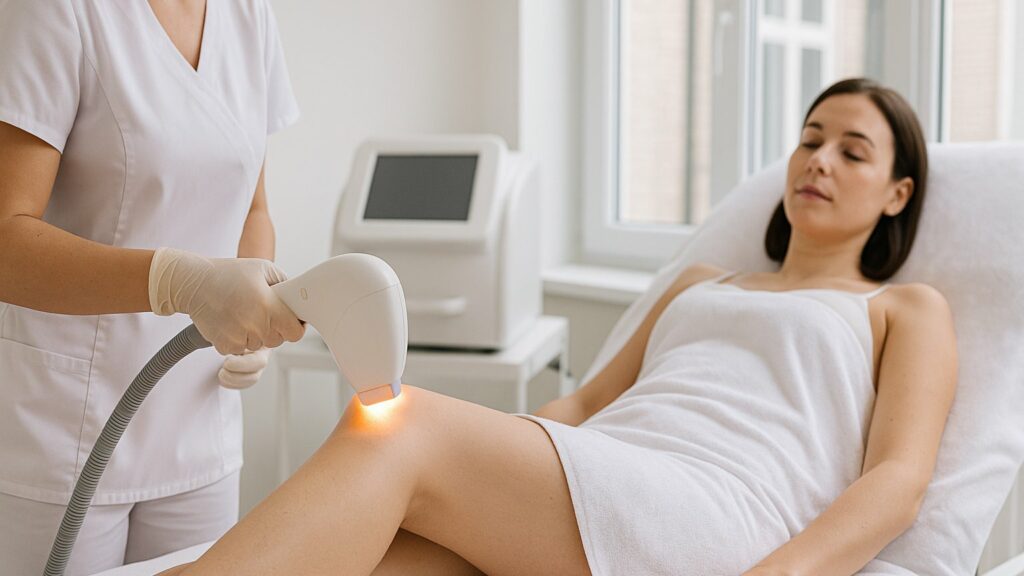

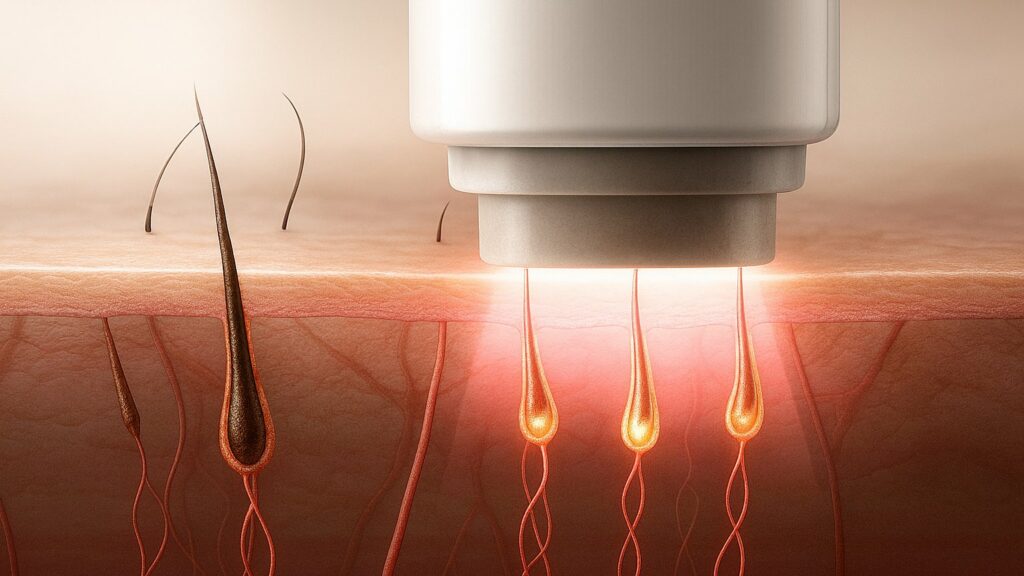
Choosing the best laser for hair removal is no longer a simple technical decision. With so many machines, modes and wavelengths promising stronger results, better comfort and safer treatment across different skin tones, clinics now have to think carefully about what they buy. That is exactly why the British Institute of Lasers builds its hair removal devices around the three established technologies: Nd:YAG, Alexandrite and Diode. Here is a closer look at who each one suits, and why a multi laser platform is helping clinics raise standards and keep clients happier.
Understanding the Three Types: Alexandrite, Diode, and Nd:YAG
Demand for laser hair removal remains very strong globally and across the UK (Rare Consulting). Not long ago, most machines relied on one wavelength, which meant stronger results for some clients and obvious limits for others. Now, most professional laser hair removal systems are built around one or more of three main types:| Laser Type | Wavelength | Strengths | Typical Skin Types |
|---|---|---|---|
| Alexandrite | 755 nm | Well suited to fine to medium hair and fast treatment on larger areas | Lighter tones (I–III) |
| Diode | 808 nm | Strong on coarse hair and most body areas, widely used in clinics | Fair through olive (I–V), many VI |
| Nd:YAG | 1064 nm | Safer for darker and tanned skin, with deeper penetration | All skin types, especially V–VI |
According to Grand View Research, Diode lasers remain the leading choice in UK clinics because of their versatility and consistently strong performance.
Choosing the Best Laser: Why “It Depends” Makes Sense
The better question is not which laser is best in general, but which one is best for the client in front of you on that particular visit. Hair texture, skin tone, hormonal patterns and treatment area all shape the answer. Here is where each type tends to fit best:- Alexandrite: Quick on pale to olive skin and especially useful for larger treatment zones such as arms, legs and backs.
- Diode: A strong all round option across many skin tones and hair types, with enough depth for body work and enough control for more delicate areas such as the face and bikini line.
- Nd:YAG: A key choice for deeper skin tones, where the longer wavelength helps reduce the risk of pigment change or overheating in the epidermis.
01. Why Multi-Laser Systems Are Now Best
The British Institute of Lasers focuses on flexibility. Their Nu TriLaze Plus, Nu TriLaze Lite and Nu eRays Plus treat unwanted hair using all three leading laser types within one carefully tuned platform (see all machines here). That gives clinics far more room to tailor treatment properly instead of forcing every client into a single wavelength approach.- Skin Analyser & HD Detection: Helps suggest suitable parameters, which reduces guesswork and supports safer treatment.
- Interchangeable Tips: Adds greater precision for smaller areas such as the nose, ears and delicate facial zones.
- Advanced Cooling: Built in comfort measures help reduce discomfort and lower the chance of unwanted side effects after treatment (Laser Club).
02. Nd:YAG: Safety and Excellence for All Skin Tones
Nd:YAG has widened access to laser hair removal for clients with deeper skin tones, particularly in diverse UK cities where clinics treat a broader mix of skin types every day. Thanks to its deeper penetration and absorption profile, Nd:YAG (1064 nm) is one of the most trusted options for skin types V and VI. Clinics relying on a single wavelength often have less flexibility and less confidence when treating the full range of clients safely.- The Gold Standard for Safety: Lower risk of pigment change or thermal injury in darker, tanned or recently sun exposed skin.
- Proven Efficacy: Strong results in cases where deeper penetration matters, especially when clinics need a safer option for darker skin types.
Why Choose a Machine That Does It All?
The clinics leading the market now tend to choose multi laser, AI assisted machines because they are not boxed in by one wavelength. Demand keeps rising, more men as well as women are choosing laser hair removal, and 38% of UK aesthetic clinics now offer laser or IPL hair reduction (Rare Consulting).- Versatility = Investment Security: Three lasers in one platform means clinics can treat a wider client base, cover more treatment areas and avoid buying extra machines for different cases.
- Business Efficiency: Faster pulse rates, improved cooling and digital tracking can shorten appointments and help clinics work through busy diaries more efficiently.
Ready to Experience the Best?
- Request more details or a demo: Book your visit, either online or at our Coventry HQ.
- Understand credentials and certification: Learn more about qualifications and local licensing in the UK.
- Expand your treatment range safely: Explore how our training, rapid replacement guarantee and Laser Protection Advisor service help keep your clinic compliant and insured.