

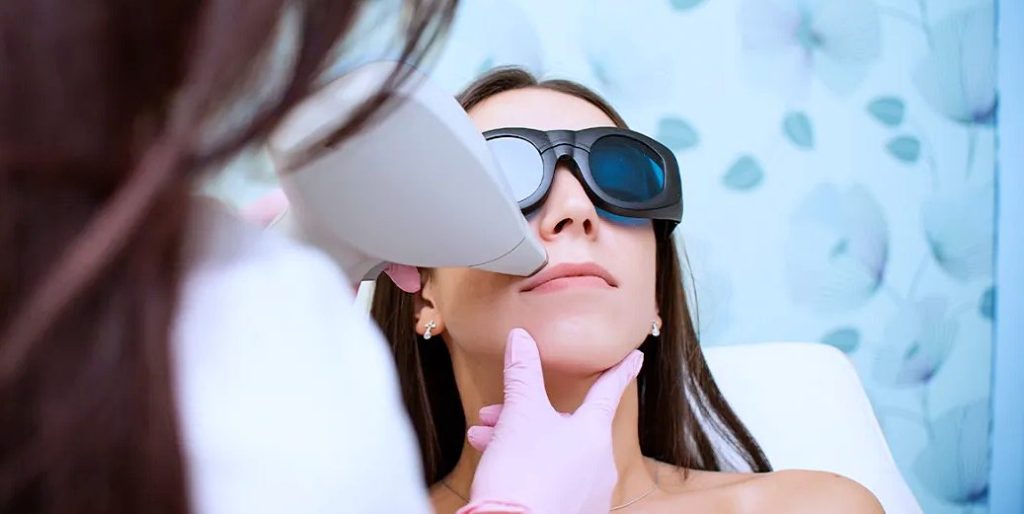
Laser hair removal is an effective way to reduce unwanted hair and achieve smoother, clearer skin with advanced light based technology.
How Does Laser Hair Removal Work?
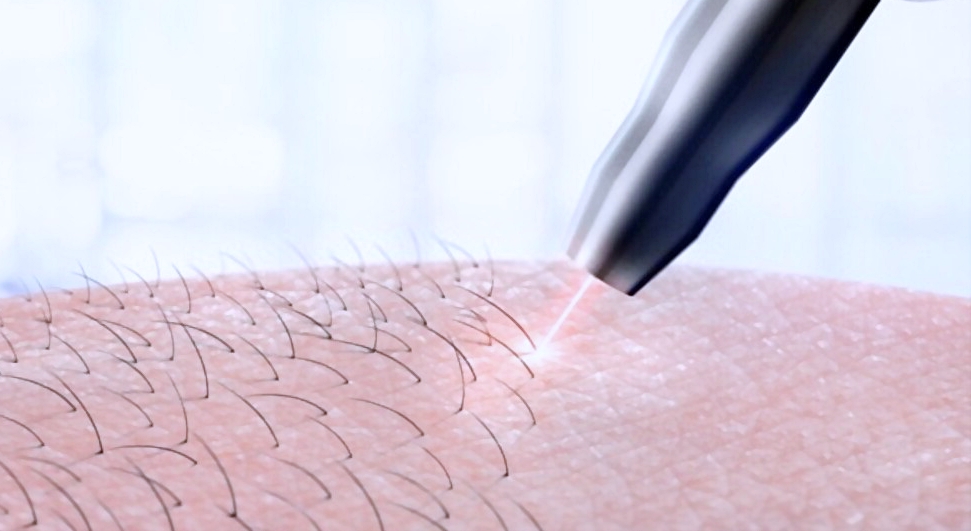
Laser hair removal works by targeting pigment in the hair. Much like dark fabrics absorb more heat in sunlight than pale ones, darker hair absorbs the laser energy more readily.
A powerful but carefully controlled laser targets the hairs, while the melanin that gives the hair its colour absorbs the light and heats up. That heat travels down towards the root inside the follicle and damages the structures responsible for future growth.
Why Does It Take Several Sessions to Remove Every Hair?
There are several stages of the hair growth cycle:
01. Anagen is the first and most visible stage, and it is also the ideal one for laser hair removal. During this phase, the hair is still attached to the follicle and extends above the skin, which allows the laser to target the melanin in the hair more effectively. Once enough heat reaches the root, future regrowth is greatly reduced.
02. Catagen is the second stage. At this point, the hair starts to detach naturally from the follicle. Because that connection is weakening, the laser’s heat is less able to travel fully to the root, so treatment is usually less effective here.
03. Telogen is the resting phase. The follicle has shed its hair and remains dormant for a period of time. That length varies from person to person. In some cases it is brief, in others it can last much longer. As the follicle is empty during this stage, laser hair removal cannot target it.
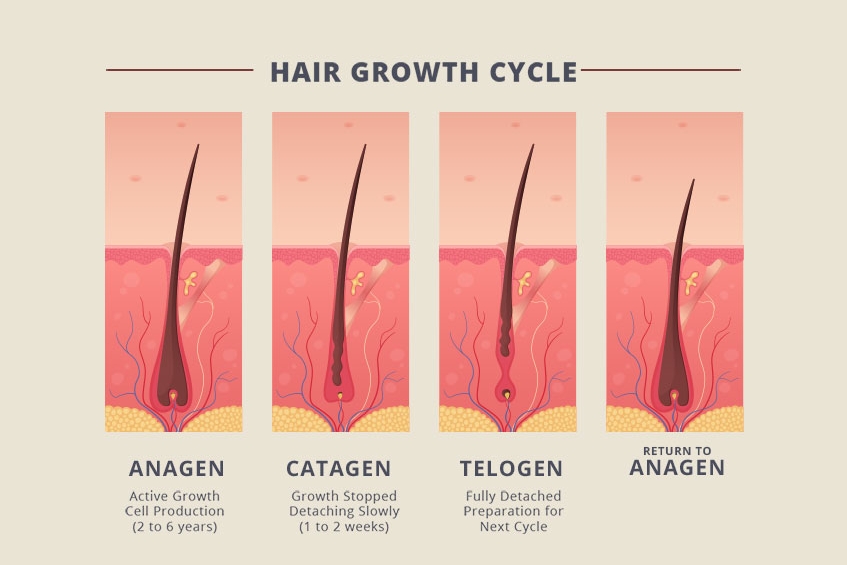
Image source: https://hairrestorationphilly.com/
Each individual hair sits in a different phase of the growth cycle. That means only a portion of hairs are in anagen at any one time, while others remain unaffected and need to be treated during later appointments.
This is why laser hair removal usually takes several sessions to complete.
Are Three Sessions Enough For Laser Hair Removal?
Most people notice a visible change after their first appointment, with hairs often appearing finer and less obvious. That progress usually continues after the second session, and by the third many areas can already look much smoother.
By that stage, a larger share of hairs will have passed through the anagen phase and been treated at the right time. As more follicles are affected, regrowth becomes lighter, patchier and slower, which leaves larger areas looking cleaner and feeling smoother.
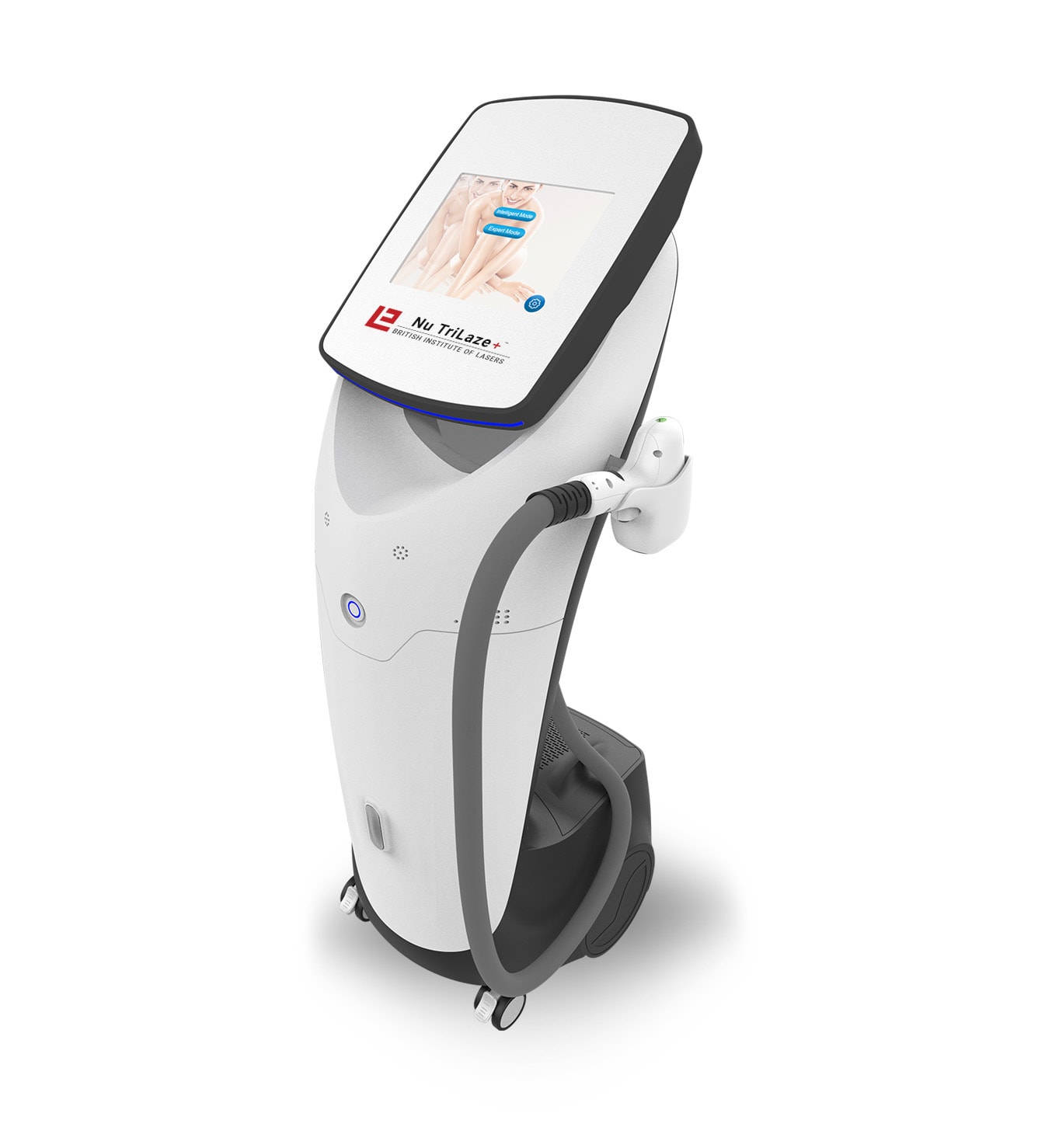
Because every person’s hair growth pattern is different, there is no fixed number of appointments that suits everyone. Even so, three sessions can be a realistic early milestone for some individuals. Faster visible progress can be more achievable when advanced technology such as the Nu Trilaze Plus laser machine is used.
Laser hair removal is a highly effective option for reducing unwanted body hair. It can cut down the need for shaving, help avoid razor irritation and leave skin feeling smoother with lasting results.